
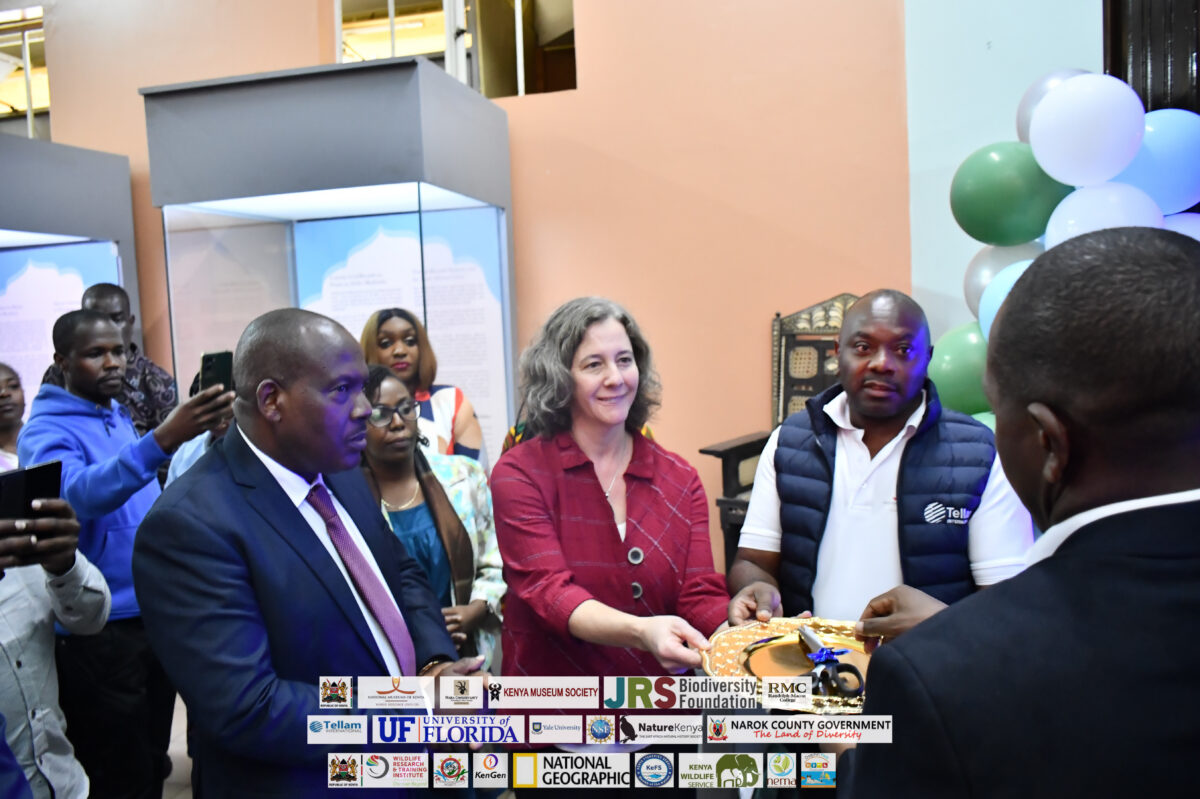
After 3 years of fieldwork, spanning the length of the Mara River across Kenya and Tanzania, teams from the University of Florida and National Museums of Kenya (NMK), led by Dr. Amanda Subalusky and with support from the JRS Biodiversity Foundation, has closed out the Freshwater Biodiversity Data of Rivers of the Lake Victoria Basin project with results that far exceeded expectations.
By the numbers:
- 49,380 macroinvertebrate specimens digitized — some over a century old — with more than 28,000 already published on GBIF for global researchers to use
- 46 fish across four species radio-tagged and tracked over a 75 km stretch of river, generating nearly 1.9 million detection records and revealing migrations that stretch the full length of the tracking array
- 250+ students and scientists trained in DNA barcoding and aquatic biomonitoring techniques
- 374 community members and students reached through outreach events at local schools and with regional stakeholders
- 1 scientific paper published (with 4 more in the pipeline) and 13 conference presentations sharing findings with the global research community
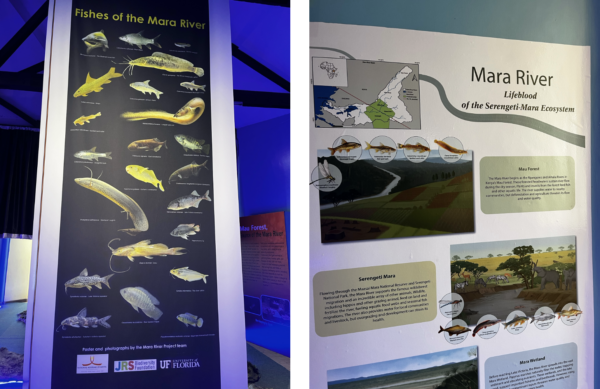
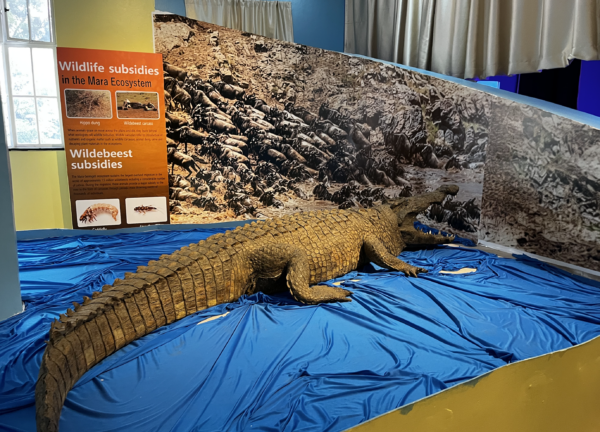
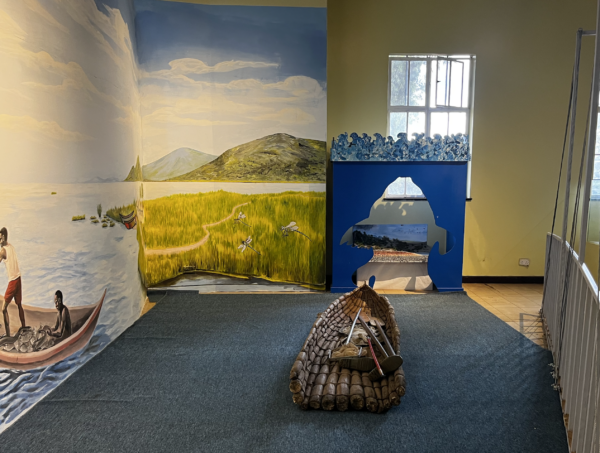
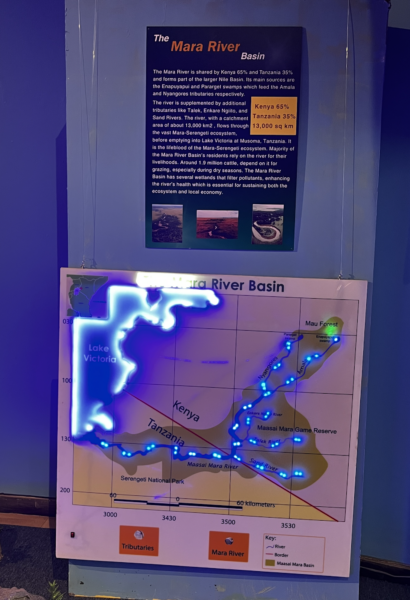
- A brand-new NMK museum exhibition, “Secrets of the Mara,” which welcomed 70,000 visitors in its first three months alone and is projected to reach more than 600,000 in its first year
Perhaps the project’s biggest achievement may be the ripple effect of biodiversity awareness: more than 600 people were directly involved in protecting aquatic ecosystems, representing a new generation of trained biodiversity scientists, and thousands of visitors enjoyed the museum experience of images of the wonders of a wild river system — all while making decades of specimen data freely available to researchers worldwide.
Read more about the the Freshwater Biodiversity Data of Rivers of the Lake Victoria Basin project here.