
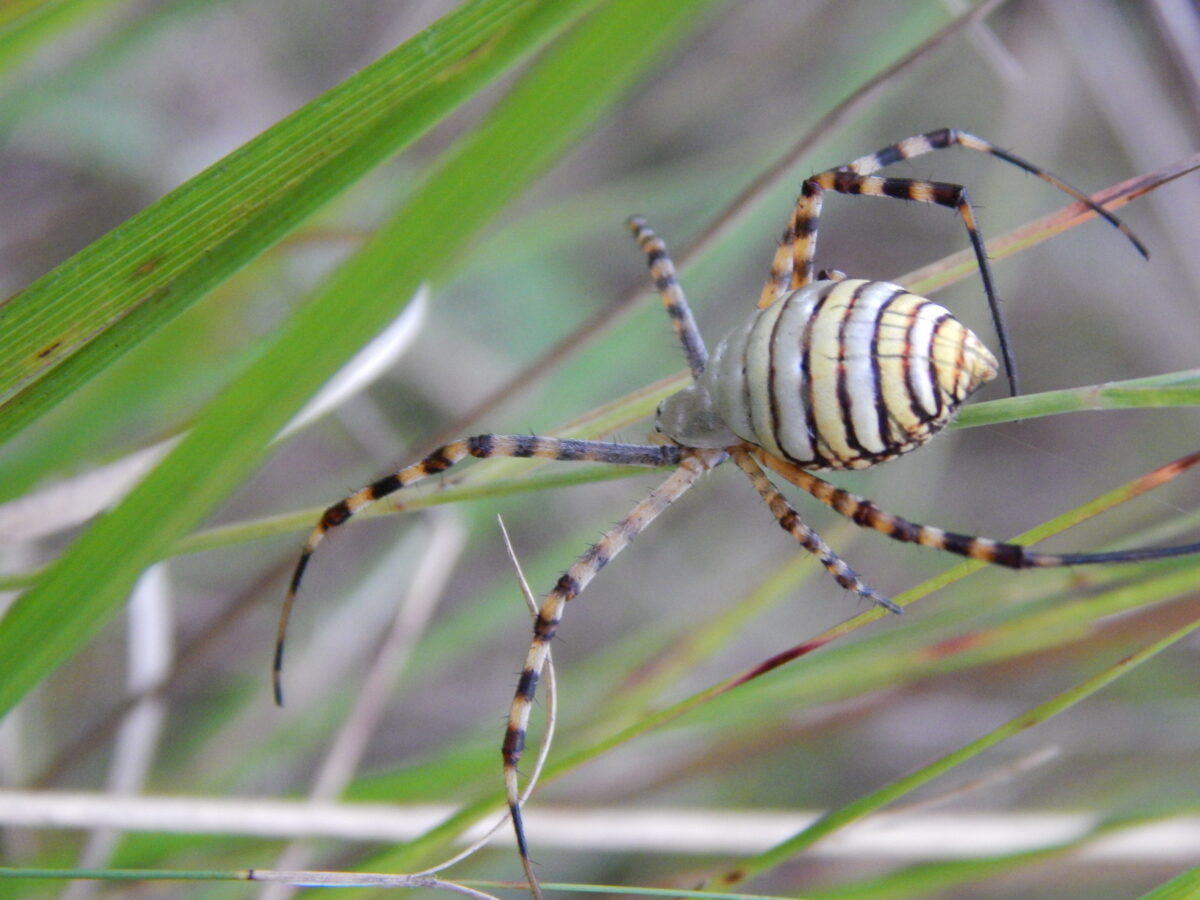
In April the Natural History Museum of Zimbabwe in partnership with the Dambari Wildlife Trust gathered a 14-person team from Zimbabwe and Mozambique to complete their fifth biodiversity survey of the Somabhula Grasslands project, bringing together staff and students from the Natural History Museum of Zimbabwe, the Maputo Museum, and four Zimbabwean universities.
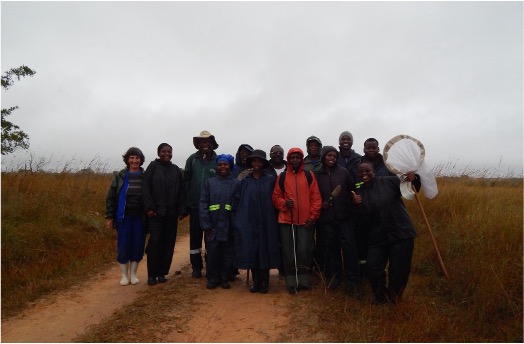
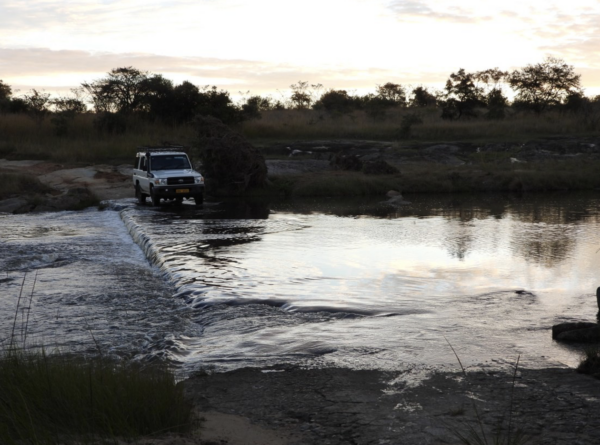
This year’s survey unfolded under dramatically different conditions than the previous winter: exceptionally heavy rains — roughly 300mm over just two days — left the grasslands green, waterlogged, and difficult to traverse. Teams battled muddy roads, a broken vehicle, and low-level river crossings to reach their study sites at Debshan and Jabulani.
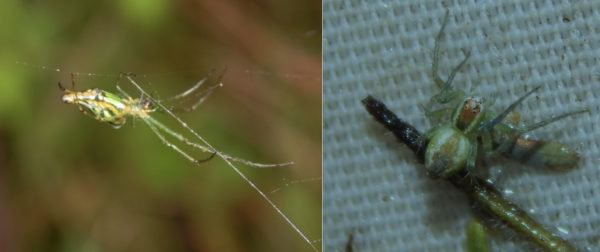
The unusual wet weather reshaped what researchers found. Reptile activity dropped compared to 2025, while several arachnid species thrived in the damp conditions — notably the silver vlei spider (Leucauge decorata), previously rare in the project, and a green lynx spider (Oxyopes) recorded for the first time. Amphibians were led by abundant common grass frogs, while juvenile ground agamas suggested a successful late-season hatch.
Despite the challenging conditions, the team gathered valuable comparative data on how atypical rainfall affects grassland biodiversity — insights that will help track whether these shifts are short-term responses or signs of longer-term ecological change.
Explore additional records from the project — now over 4,300 observations and 1,250+ species — on iNaturalist.
Read more about the JRS funded project Somabhula Grassland Biodiversity Surveys and Capacity-building for Mozambique and Zimbabwe project here.