
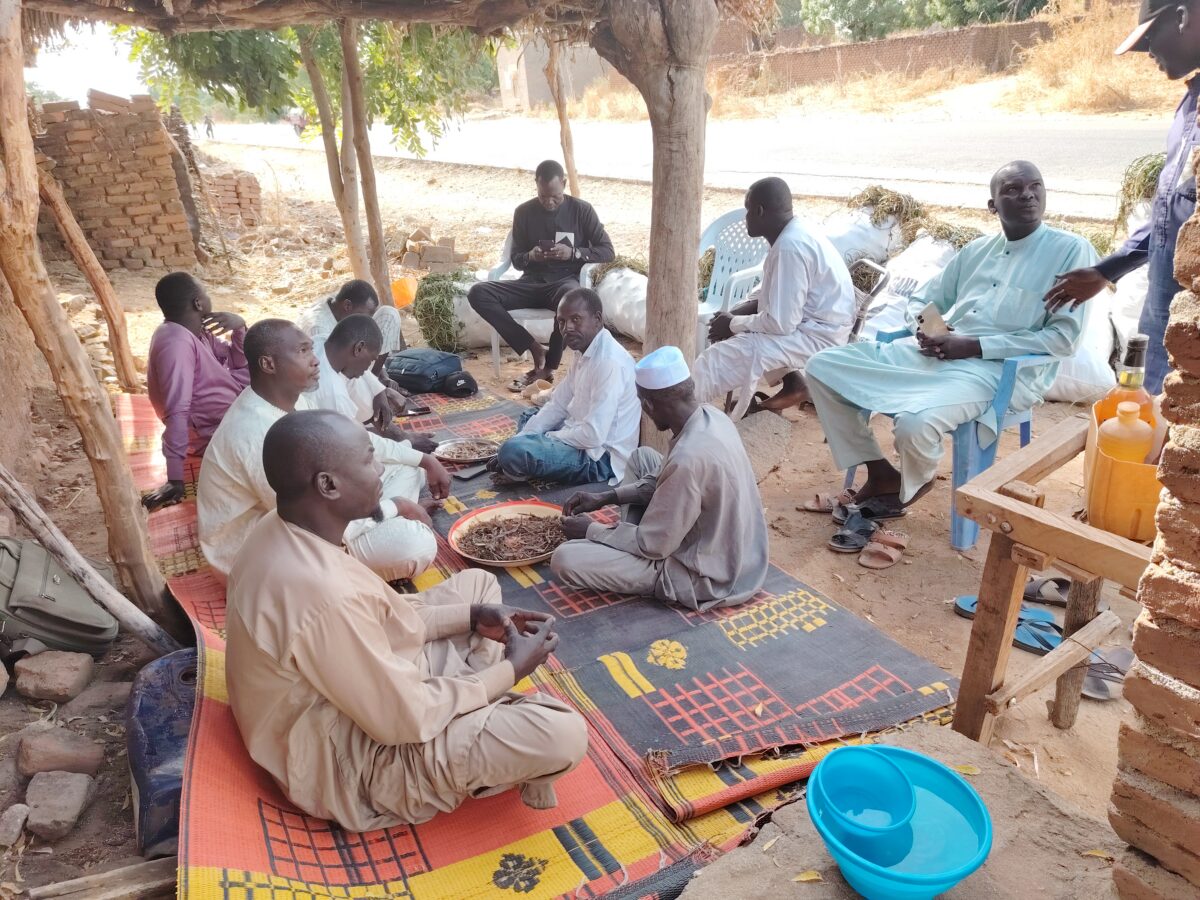
In the face of accelerating climate change across the Sahel, JRS grantee SOS SAHEL continues to demonstrate how local knowledge and citizen science in Senegal and Chad can drive real conservation progress.
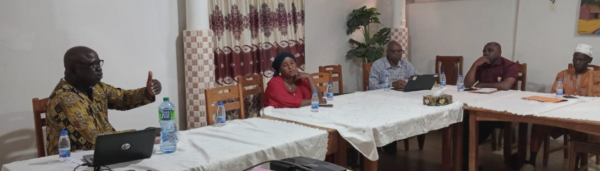
In Eastern Senegal, elected officials from six municipalities around the vast Niokolo-Koba National Park came together in May 2026 to explore connections between biodiversity, climate resilience, and local development. Community observers have already logged thousands of species observations using the iNaturalist platform, giving local leaders a clearer picture of the ecosystems they steward. As one participant put it, the forest is far more than scenery—it’s a pantry, pharmacy, and cultural cornerstone worth protecting.

Meanwhile, in Chad’s Guéra Province, 22 community observers have documented over 3,300 species observations and identified 105 useful plants across the Department of Abtouyour. More than three-quarters of the most frequently recorded species—like the Desert Date, Jujube, Tamarind, and Gum Arabic tree—provide direct nutritional, medicinal, or economic value, especially for women-led cooperatives that rely on these resources for their livelihoods. A field coaching mission in March 2026 helped sharpen observers’ skills, and the project is now moving into its next phase: developing educational materials to share this knowledge with schools and communities.
Together, these efforts show how blending scientific and indigenous knowledge is turning local residents into the true stewards of their own natural heritage.
Read more about the Biodiversity Mapping in Transfrontier Savannahs of Senegal and Chad project here.
