
Photos courtesy of the Centre for Biodiversity Conservation Research, Ghana
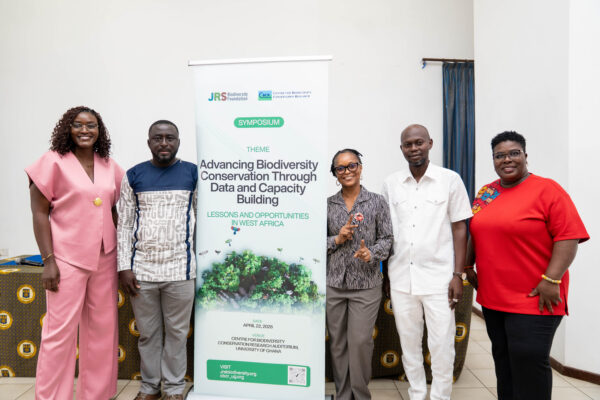
On April 22, 2026, JRS convened researchers, scholars, conservation leaders, and policy experts at the Centre for Biodiversity Conservation Research, University of Ghana, Legon, Accra for a symposium on the future of biodiversity data in Ghana and broader West Africa. The event focused on a simple but urgent question: how can better biodiversity data lead to better conservation outcomes? The symposium, titled Advancing Biodiversity Conservation Through Data and Capacity Building: Lessons and Opportunities in West Africa, created a valuable space for learning, exchange, and new connections across the region.
Across West Africa, biodiversity is under growing pressure from habitat loss, climate change, overexploitation of natural resources, demographic pressure and land use change. Yet policy decisions are often made with incomplete or without any supporting data. Strengthening biodiversity informatics, the collection, management, sharing, and use of biodiversity data, is therefore essential for effective conservation planning, action and policy. For JRS, the symposium was also an opportunity to introduce the Foundation’s funding priorities to Ghana’s research and conservation community, while helping the JRS Board better understand regional needs, opportunities, and where future investments could have the greatest impact.

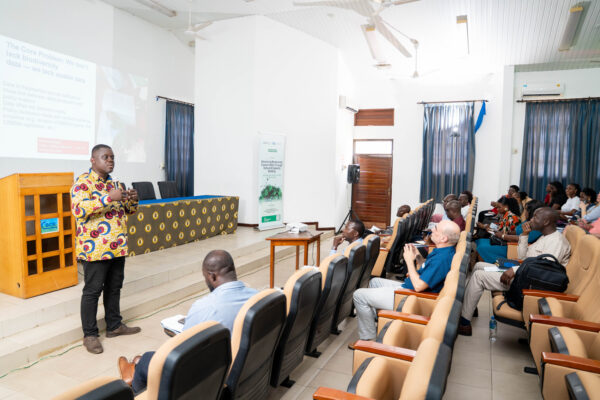
Three expert presentations demonstrated how biodiversity data can shape research, management, and policy. Vincent Awotwe-Pratt (Advocates for Biodiversity Conservation, Ghana), spoke about the path toward evidence-based policymaking, highlighting the importance of making biodiversity information accessible and actionable for policy and decision-makers. Dr. Hospice Dassou (Université d’Abomey-Calavi, Benin), drew attention to a frequently overlooked group of plants — West African bryophytes, and the dearth of specialist taxonomists in the region. Mosses, liverworts, and hornworts are small, but they play an outsized role in ecosystem health and can serve as sensitive indicators of environmental change. Dr. Angela Lamptey (University of Ghana) explored the use of regional closed fishing seasons as a collaborative fisheries management tool. Her presentation showed how data-driven approaches can support the recovery of small pelagic fish stocks that are critical for livelihoods and food security and the importance of regional collaboration in managing regional fish stocks.

A panel discussion moderated by Dr Siro Masinde (JRS Program Officer) brought together regional experts; Dr. Ethelyn Forchibe (Entomologist and Lecturer, University of Bertoua and Catholic University of Cameroon), Prof. Erasmus Owusu (Professor of Conservation Science, University of Ghana), and Daryl Bosu (Deputy National Director, A Rocha Ghana and environmental sustainability practitioner) for an engaging conversation on the barriers and opportunities facing biodiversity data and information systems in the region. The discussion was informative, candid and forward-looking, with active audience engagement.
The symposium concluded that to create lasting systemic change in Ghana and West Africa, a funder must prioritize long-term capacity building for skills development and institutional infrastructure over short-term projects. For JRS, strategic investment to transform the region’s biodiversity informatics landscape should focus on the following priorities:
- Investing in neglected and less charismatic taxa such as bryophytes, which are critical for ecosystem functioning but suffer from a decline in taxonomic expertise.
- Supporting the development of national and regional data platforms and partnerships to ensure interoperability across institutions and break down existing data silos.
- Translating data into decisions through dashboards, visual tools, and policy briefs that non-specialists can use.
- Strengthening the technical and data-handling capabilities of ministries, local governments, and practitioners.
- Promoting inclusive data systems that incorporate community and local knowledge and relevant private-sector data, e.g. biodiversity data from EIAs.
- Investing in training the next generation of taxonomists, data managers, and biodiversity scientists.
The symposium demonstrated growing recognition of the value of data-driven conservation in West Africa and the importance of bringing diverse voices together around shared challenges and opportunities. By strengthening partnerships, investing in capacity development, and improving access to biodiversity data and information, the region will be better positioned to turn data into information and knowledge for lasting conservation action and impact.