

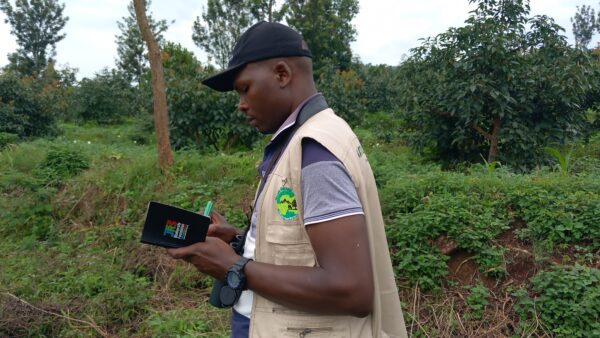
This survey established a second seasonal dataset for pollinators in Rwanda, representing a major achievement in the project’s objectives and generated a substantially richer inventory of pollinator taxa, documenting approximately 156 pollinator species. Of these, 138 species were newly recorded compared to the first survey phase, reflecting the project’s expanded geographical coverage and increased sampling intensity. Conversely, 81 species recorded during the first phase were not observed in the second phase, highlighting the seasonal and spatial variation of pollinator communities.
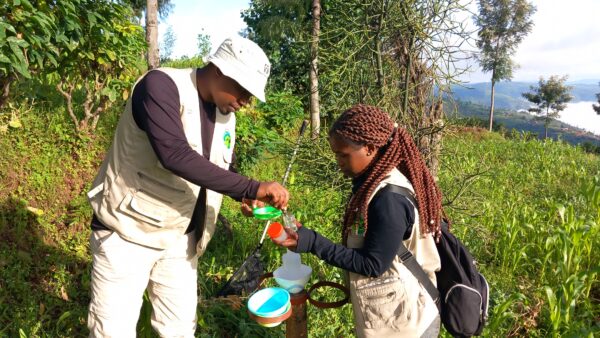
Apis mellifera remained the most frequently recorded pollinator species, increasing from 25 records in the first survey phase to 61 records during the second phase. This finding further confirms the species’ significance in pollination services across Rwanda’s agricultural landscapes.
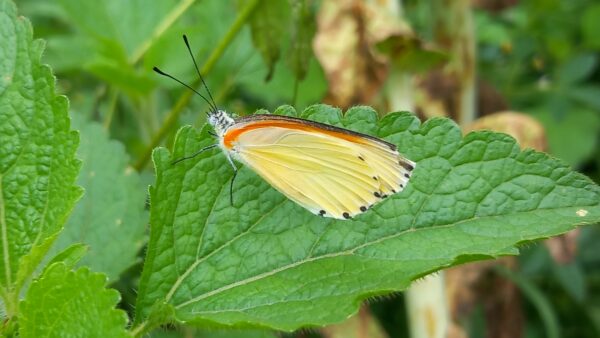
At the order level, Hymenoptera was the most represented group with 133 records, followed by Diptera (113 records), Lepidoptera (108 records), Coleoptera (25 records), and Hemiptera (10 records). At the family level, Apidae recorded the highest abundance with 84 observations, followed by Nymphalidae (60 records), Syrphidae (40 records), Vespidae (27 records), Pieridae (24 records), Sarcophagidae (18 records), and Calliphoridae (17 records), among others.

The survey also documented six species of bird pollinators, including the Green-headed Sunbird, which was not recorded during the first survey phase. The Variable Sunbird remained the most widespread bird pollinator across survey sites, underscoring its important contribution to pollination services in Rwanda’s farmlands.
To read more about the Enhancing Pollinator Dynamics and Conservation for Improved Ecosystem Health and Services in Key Agro-Ecological Landscapes in Rwanda here.