
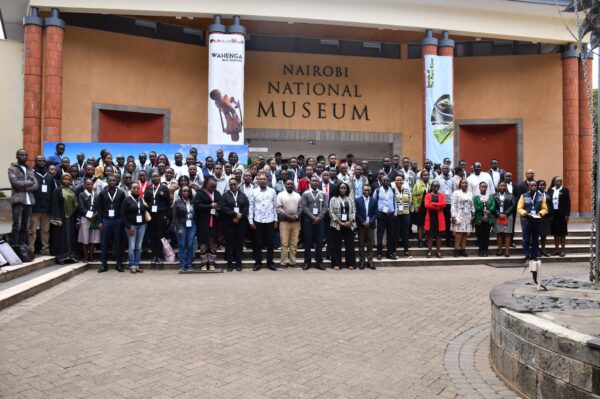
From June 3–12, 2026, JRS supported the Pathways for Emerging Biodiversity Changemakers in Africa (PEBCA) program, followed by the 2nd Joint International Scientific Conference hosted by the National Museums of Kenya (NMK) in Nairobi. The pre-conference workshops and conference were jointly organized by NMK, the Association of Kenya Entomologists (AKE), and the Sino-Africa Joint Research Center (SAJOREC), bringing together students, researchers, practitioners, and other biodiversity professionals from across Africa and beyond.
PEBCA is a one-year capacity-building and mentorship program designed to support Master’s students and early-career researchers. Through training in research methods, open science, biodiversity informatics, and science communication. The program is designed to equip emerging scientists with the skills needed to observe and collect primary biodiversity data and translate it into knowledge for policy and conservation action. The inaugural cohort of 15 PEBCA scholars is supported by JRS.
The program announcement generated overwhelming interest across the continent, with hundreds of applicants resulting in a large number of qualified candidates being left out due to limited slots. While the first cohort comprises 15 JRS-supported scholars, additional sponsorship from other funders enabled NMK to expand participation, allowing many more graduate students to benefit from selected components of the program.
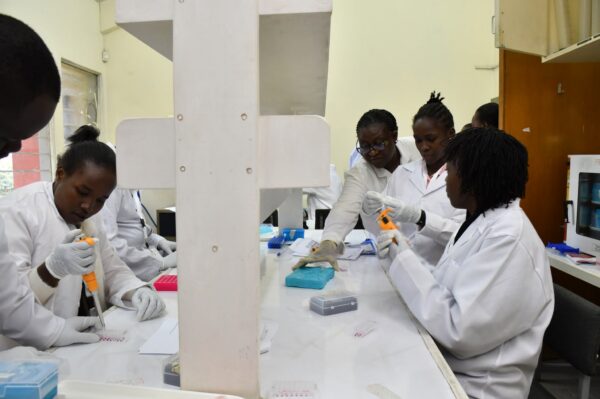
The PEBCA training began with online courses delivered between February and May 2026 to 115 participants from across Africa. Topics included biodiversity data management, GIS and remote sensing, biostatistics, citizen science, academic publishing, grant proposal writing, research project management and financial reporting, and science communication. This was followed by four days of intensive hands-on practical training in field and lab techniques at NMK from June 3-6, attended by 82 participants. The in-person training featured five specialized learning tracks:
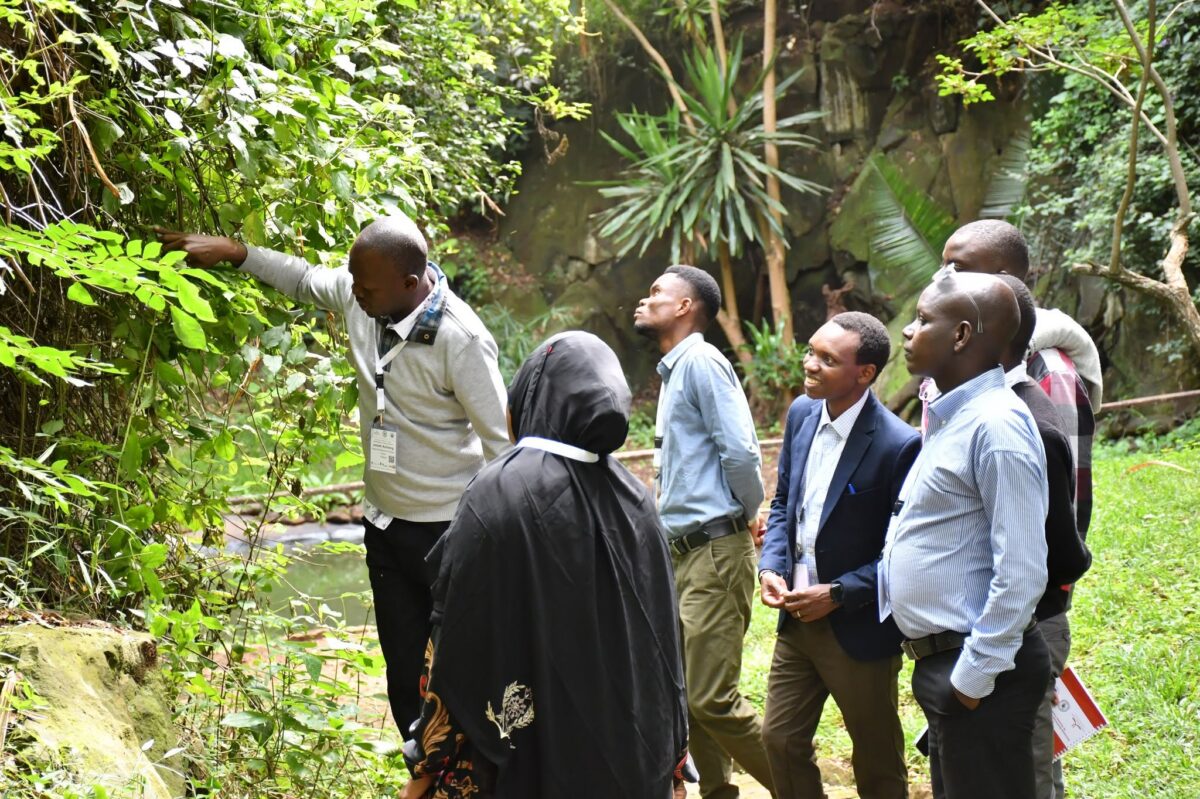
- Freshwater biodiversity assessment using macroinvertebrates, including field sampling along the Nairobi River and specimen identification using NMK’s extensive collections.
- Plant ecology, mycology, and herbarium techniques, where participants were so immersed in their work that experiments frequently ran late into the night.
- DNA-based biodiversity monitoring, which generated more than 500 sequences that will be published through GenBank and species occurrences to GBIF, contributing valuable new biodiversity data.
- Sampling and monitoring insect pollinators, where participants gained practical field skills while exploring the critical role of pollinators in ecosystems and agriculture. In a lighthearted and memorable moment, the group expressed their gratitude to the PEBCA program with a unique “insect-like” applause, waving their hands in mimicry of their study subjects.
- Landscape modelling and socioecological change, including a field visit to the Olorgesailie Prehistoric Site and training in advanced environmental modelling techniques.
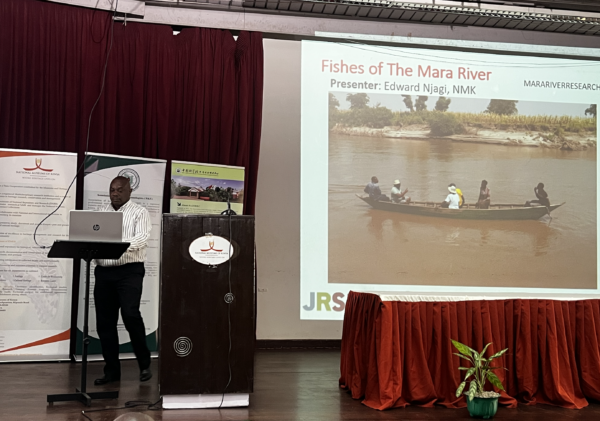
After the preconference training, momentum shifted to the Scientific Conference, which attracted 309 participants from 20 countries across four continents. Under the theme of harnessing biodiversity and cultural heritage for economic transformation, participants shared innovative approaches for addressing conservation and sustainable development challenges. Presentations included results from past and current JRS supported projects for example, plant Red Listing in Namibia, the use of diving beetles as indicators of freshwater quality, and conservation of fish diversity in the Mara River. The oral presentations were complemented by vibrant poster sessions and exhibitions by various biodiversity stakeholders including Mpala Research Center, SAJOREC and Flora and Fauna. The 15 PEBCA scholars presented their own research and case studies, demonstrating both the diversity of African biodiversity challenges and the potential for data-driven solutions.

For the PEBCA scholars, the conference marked a key milestone in a longer journey. Participants will continue to receive mentorship through early 2027, working closely with supervisors and a diverse network of professionals as mentors. Each scholar is expected to generate sufficient data for publication and to produce at least one peer-reviewed scientific paper.
Ultimately, PEBCA aims to nurture a new generation of African biodiversity leaders who can bridge the gap between research, policy, and practice. By strengthening scientific skills, fostering mentorship, and building professional networks, the program is helping to ensure that Africa’s biodiversity future will be shaped by highly skilled scientists equipped to address conservation and climate challenges across the continent. For JRS, the success of the first PEBCA cohort demonstrates the value of investing not only in biodiversity data and knowledge, but also in the people who will generate, interpret, and share that knowledge within the African scientific community for decades to come.