
Pwani University (2026)
Sustainable Management of Soil Biodiversity in Agro-Ecosystems in the UNESCO Biosphere Reserve and Sacred Forests Landscape of Coastal Kenya
Project Details

Last Updated: April 14th, 2026
Background
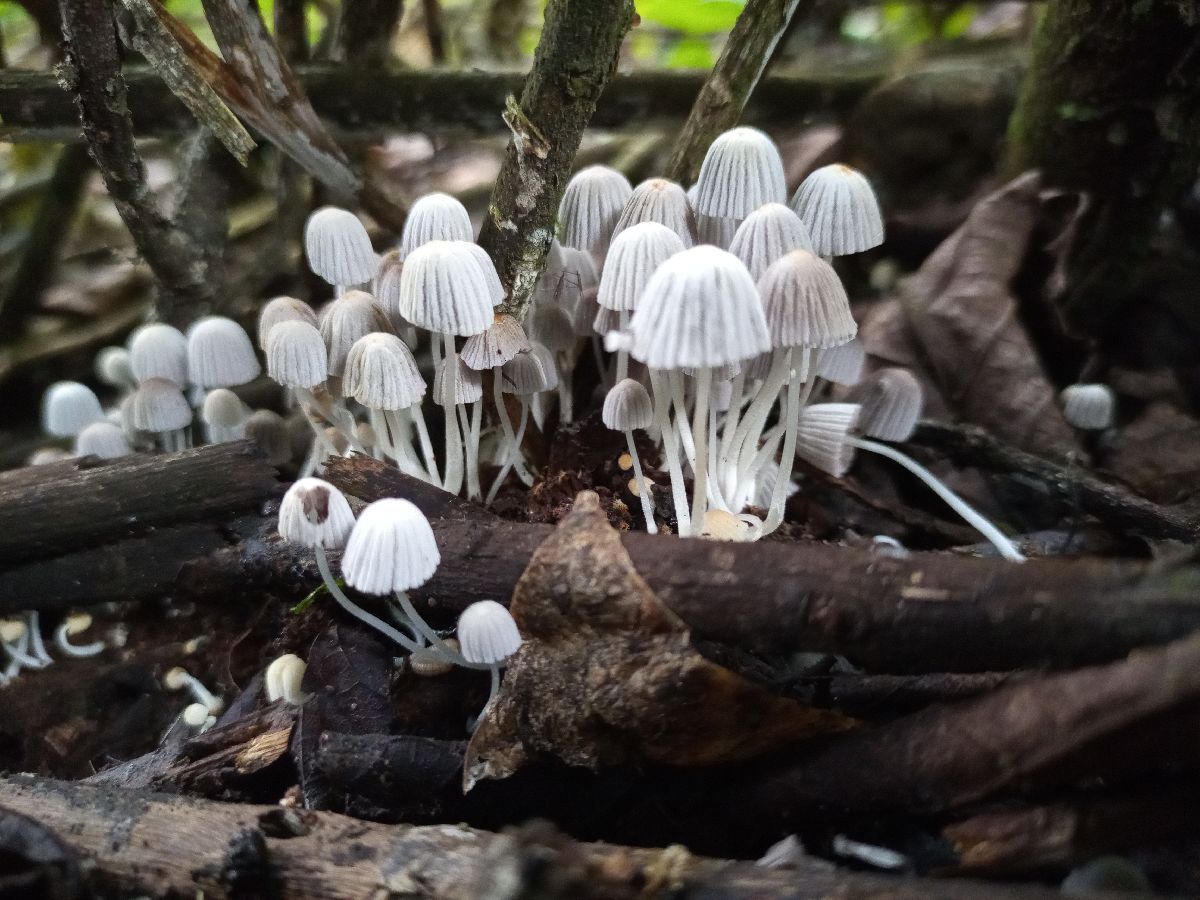
Soil is a self-regulating living ecosystem mediated by a realm of biodiversity. Soil biodiversity is core to the earths nutrient cycling processes, water movement, soil structure, control of pests and diseases, carbon sequestration, and resilience to adverse conditions. It contributes immensely to plant health and the survival of the plant communities. Soil biodiversity communities have evolved in their environments adapting to conditions that sustain the communities and functions. Any disruptions of inherent conditions, by intensive farming practices, can result to shifts leading to loss species and their functions. Agrobiodiversity practices have great potential to provide resilience to soil biodiversity species and their functions. Soil biodiversity species are the least characterized, and the dynamics and the impact of their decline on ecosystems functions under-estimated. The conservation of soil biodiversity as a component of agrobiodiversity is crucial for the sustenance of productive ecosystems.
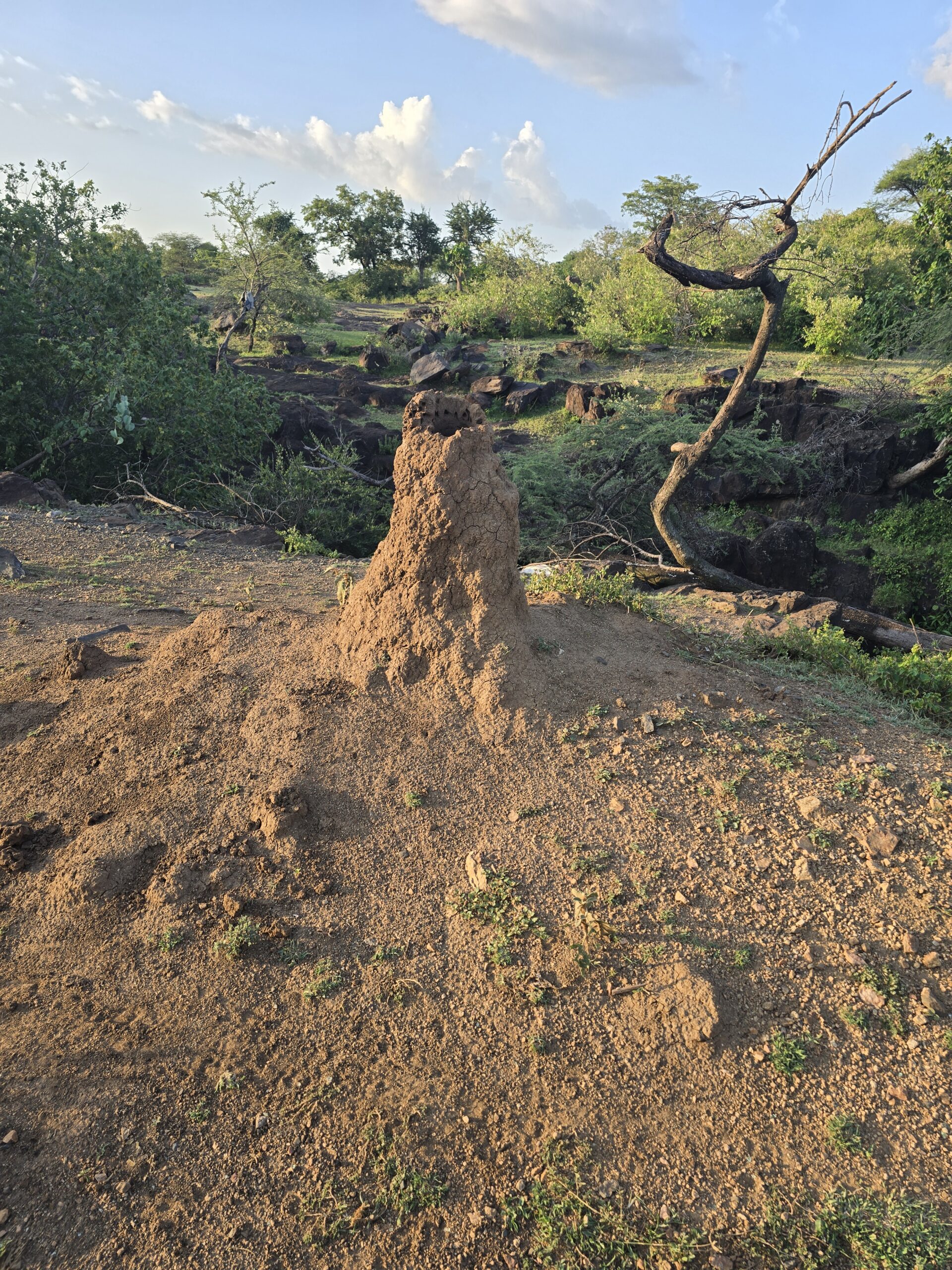
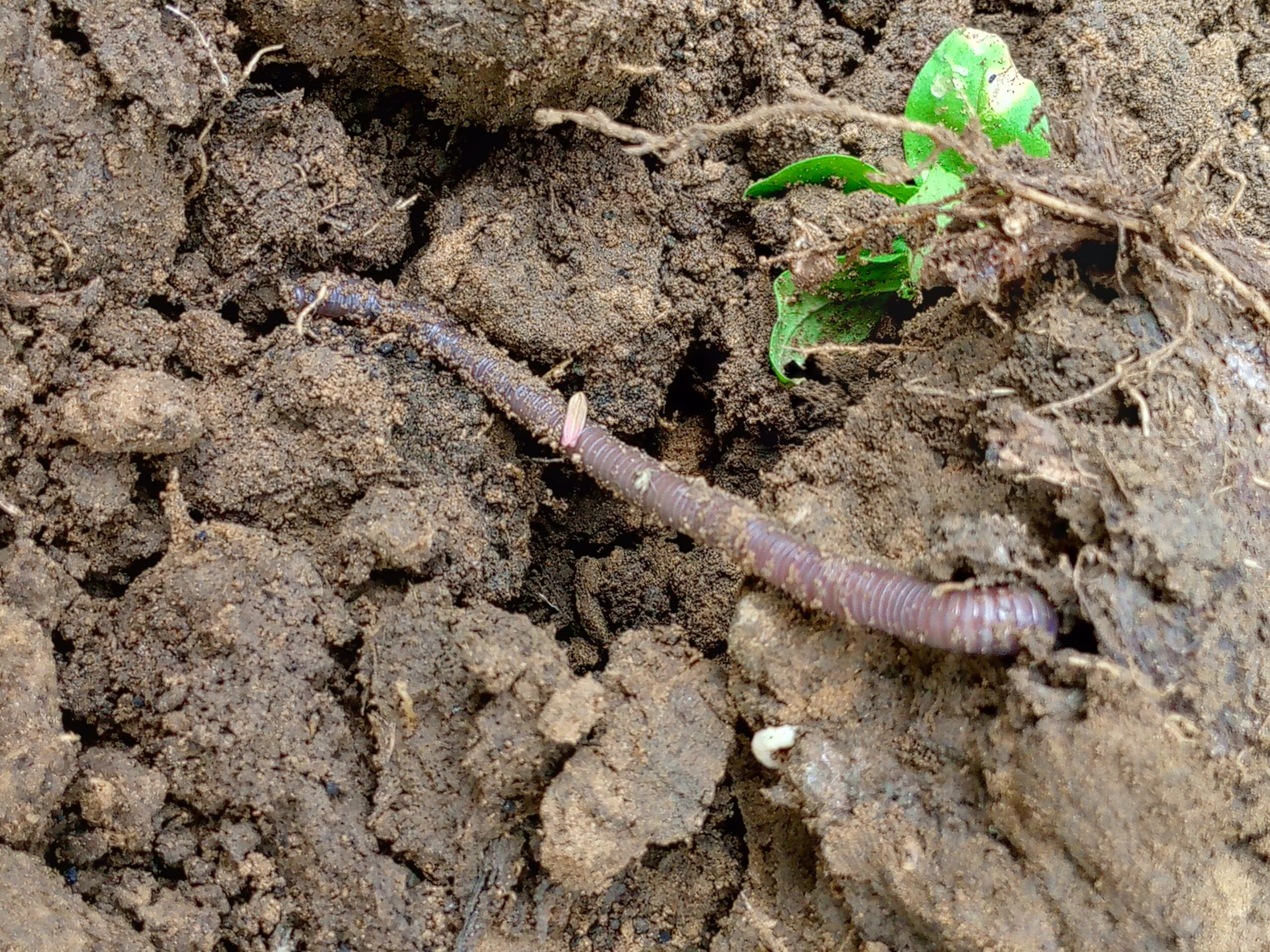
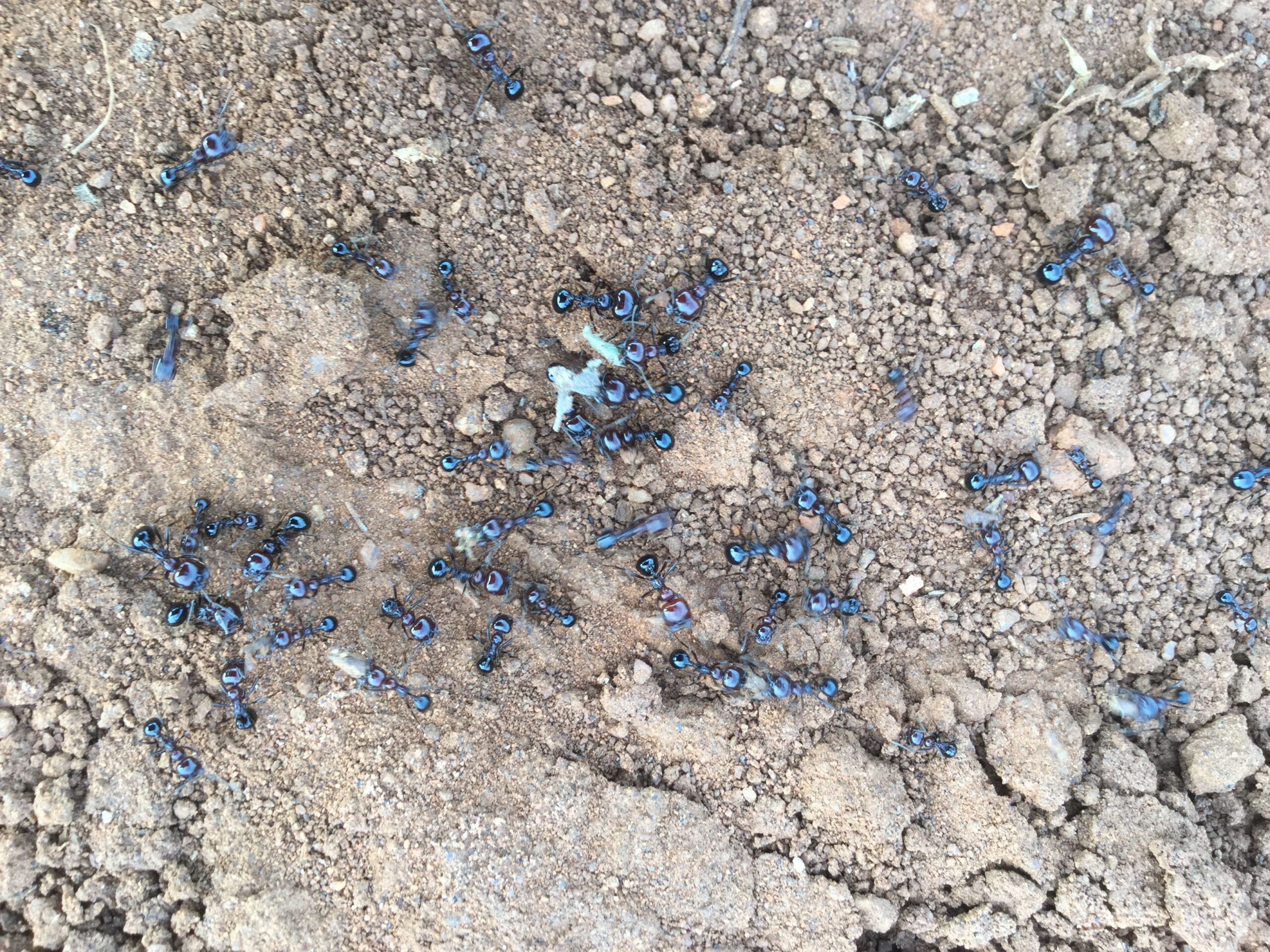
Indigenous communities in Africa have longstanding cultures of consuming indigenous vegetables. There is increasing preference for indigenous vegetables and these are progressively contributing immensely to agrobiodiversity systems. They are more resilient to local climatic and soil conditions, have nutritional and medicinal value and flavor. Through field surveys and capacity building the project aims to understand the contribution indigenous vegetables mainstreamed into agrobiodiversity on soil biodiversity species and functions. The project will address keystone soil biodiversity species such as macrofauna (termites, earthworms and arthropods), Mesofauna (Nematodes, collembolla and mites), microbial communities (saprophytic, symbiotic and free living beneficial and parasitic fungi and bacteria). The main objectives of the project are: (1) Identify and document soil biodiversity species across agrobiodiversity systems and share data and information on specialized platforms (2) Build capacity to sustainably manage and conserve soil biodiversity for improved production in agrobiodiversity systems. (3) Integrate agrobiodiversity activities for the management and conservation of soil biodiversity. (4) Advocate for soil biodiversity in agrobiodiversity policy decisions at local and national levels. The project will be administered by Pwani University in Kilifi, Kenya jointly with the National Museums of Kenya and the University of Nairobi.
Project Details
The immediate objectives of the Sustainable Management of Soil Biodiversity in Agro-Ecosystems in the UNESCO Biosphere Reserve and Sacred Forests Landscape of Coastal Kenya project are:
- Identify and document soil biodiversity species across agrobiodiversity systems and share data and information on specialized platforms
- Build capacity to sustainably manage and conserve soil biodiversity for improved production in agrobiodiversity systems.
- Integrate agrobiodiversity activities for the management and conservation of soil biodiversity.
- Advocate for soil biodiversity in agrobiodiversity policy changes at local and national levels

Project Director Biography
Joyce Mnyazi Jefwa is a Senior Lecturer and Researcher at Pwani University, in Kilifi, Kenya. She is a scientist with over 20 years experience in conservation, restoration, utilization, and domestication of plant and fungi. Her research undertakings transverse natural and agro-ecosystems at national, regional and International levels. Her work includes restoration of degraded lands, conservation of rare and threatened plants of Kenya; application of mycorrhiza technologies; conservation and sustainable management of biodiversity and ecosystems; Indigenous knowledge and sacred forests biodiversity research, and the domestication of indigenous fruit trees. She has led projects on mushroom production and domestication, mushroom spawn production, and the germplasm conservation of indigenous edible mushrooms. Prof. Jefwa was the chair of IUCN Commission for Ecosystem Management (CEM) for Eastern and Southern Africa; the vice president of African Mycological Association (AMA), member of African Network on Mycorrhiza (AFRINOM), chairperson of the Habitat Restoration Initiative (HARI) of Nature Kenya, and still a member of the International Society for Fungal Conservation (ISFC) and IUCN Species Survival Commission Mushroom, Bracket and Puffball Specialist Group. Species survival.