
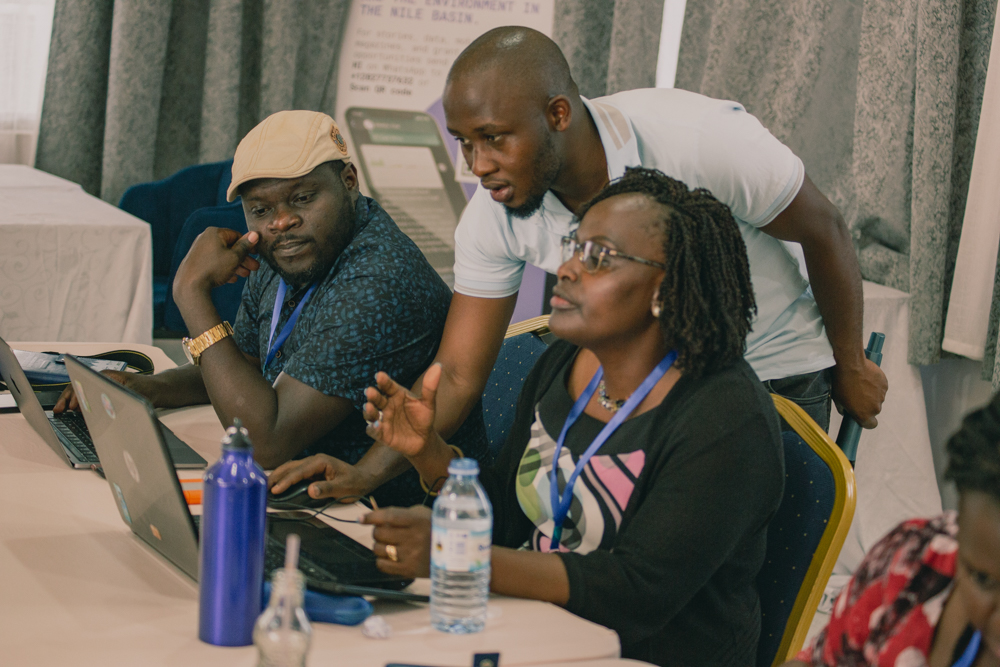
JRS is proud to highlight an ambitious communications project completed by of one of its longest-running and successful grant projects — InfoNile, implemented by Water Journalists Africa We hear directly from the grantee to learn more about the impact of JRS funding.
—————————————————————————-
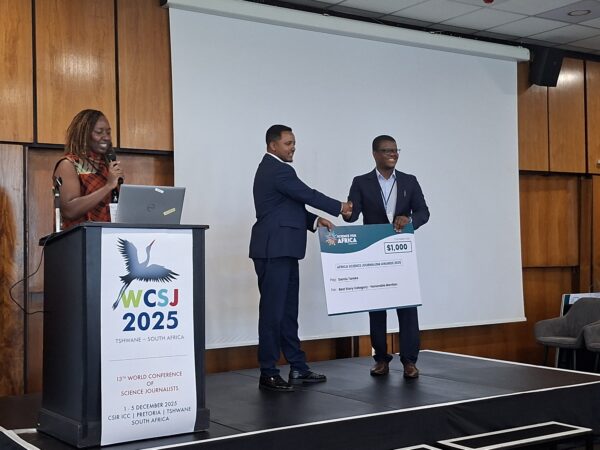
At this year’s World Conference of Science Journalists in Pretoria, InfoNile-trained journalist Demise Mekuriyaw Tareke from Ethiopia won the Africa Science Journalism Award. Demise worked with ecohydrologist Yohannes Zerihun for a year to investigate the ecological crisis facing Ethiopia’s Lake Tana. The lake, the Blue Nile’s source and water supply for over 200 million people, is now threatened by pollution, unsustainable farming, and invasive water hyacinth.
Their collaboration was part of the InfoNile’s NileWell Scientists–Journalists Co-production Fellowship supported by the JRS Biodiversity Foundation. InfoNile is an initiative of Water Journalists Africa, a network of over 3,000 journalists in 50 African countries writing about the Nile Basin’s watersheds and biodiversity. It is empowering communities across the region to make informed decisions to protect freshwater resources and unique biodiversity.
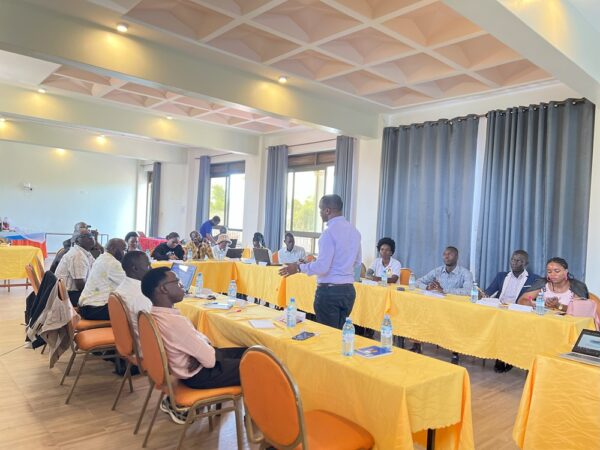
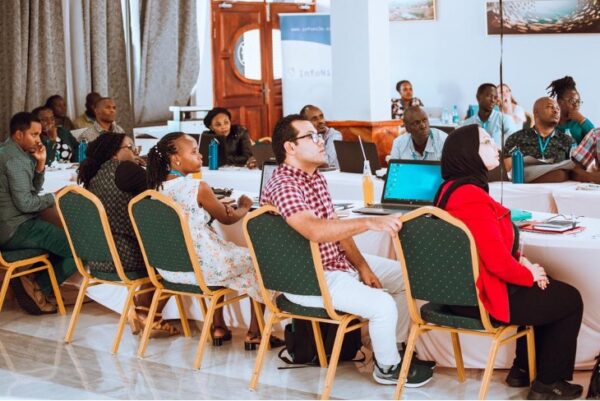
Over three years of the JRS Biodiversity Foundation’s support, InfoNile launched the NileWell platform and Science Wednesday webinars to connect scientists and journalists, holding 18 webinars, attracting 781 live attendees, and engaging journalists, scientists, and policymakers. NileWell Scientists–Journalists Co-productions brought together 32 journalists and scientists from 10 countries, transforming research into in-depth stories that inspired action. Participants reported on fish restoration in Tanzania’s Lake Manyara, pollution in Lake Victoria, and conservation efforts in Kenya’s Ngong Forest, among several other themes to headline biodiversity threats and solutions.
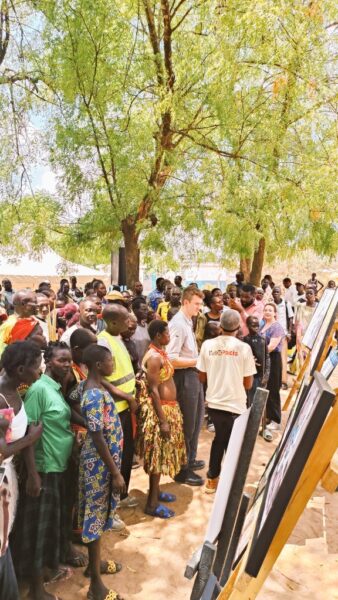
InfoNile also organised 10 public exhibitions in five countries. These attracted over 800 community members in discussions on deforestation, wetland loss, biodiversity, and climate change, among others. Additionally, over 60 young activists and students developed science communication skills through InfoNile’s youth programs, helping to shape the future environmental leaders. In total, InfoNile has trained over 300 journalists, produced 130 biodiversity stories, and established a network of 1,200 journalists and scientists.
Read more about Water Journalists Africa and the InfoNile Grant here.